

cuttable mirror sheets
Understanding Snap Dial Gauges A Comprehensive Overview Snap dial gauges are precision instruments used widely in various industries for measuring linear dimensions and monitoring processes. Their robustness, accuracy, and ease of use make them indispensable tools in fields ranging from manufacturing to quality control. What is a Snap Dial Gauge? A snap dial gauge, also known as a dial indicator, is a measuring tool designed to provide precise measurements of small distances. It typically consists of a needle and a dial display. The needle moves in response to changes in distance, while the dial provides a visual reference of the measurement. This instrument is particularly useful for checking the flatness, alignment, and runout of an object. Components of Snap Dial Gauges A typical snap dial gauge consists of several key components 1. Dial Face The face of the gauge displays a circular scale, often calibrated in millimeters or inches. The markings indicate the measurement range, and the needle provides a direct reading. 2. Probe The probe is the part that contacts the surface being measured. It extends from the gauge and can be adjusted or replaced based on the measurement requirements. 3. Stem The stem houses the mechanism that translates the movement of the probe to the dial. The precision of the stem’s movement is critical for maintaining the accuracy of the measurements. 4. Base This part enables the snap dial gauge to be securely attached to a surface or fixture. A stable base is essential for reliable measurements, especially in dynamic environments. 5. Zero Adjustment Most snap dial gauges come with a zero adjustment feature, allowing users to calibrate the gauge before taking measurements. This ensures that any variations in the environment or gauge wear do not affect accuracy. Applications in Various Industries snap dial gauge Snap dial gauges find applications in numerous industries due to their precision and reliability - Manufacturing In manufacturing, snap dial gauges are essential for quality control processes . They are employed to measure the thickness of components, ensure proper alignment during assembly, and check for tolerances in production. - Automotive In the automotive industry, these gauges are used extensively in engine assembly and maintenance. They help in ensuring that all parts fit correctly and operate efficiently, which is crucial for vehicle performance. - Aerospace The aerospace sector relies on snap dial gauges to maintain stringent quality standards. They are used to measure the components of aircraft, where precision is paramount to ensure safety and performance. - Construction In construction, snap dial gauges assist in leveling and alignment tasks. They help ensure that structures are built to precise specifications, enhancing the durability and safety of buildings and infrastructure. Advantages of Using Snap Dial Gauges 1. Precision Snap dial gauges offer high levels of accuracy, making them suitable for critical measurements in precision engineering. 2. Ease of Use The intuitive design of dial gauges means that they can be used effectively by operators with minimal training. 3. Versatility They can measure a wide range of dimensions, making them versatile tools for different applications. 4. Durability Constructed from robust materials, snap dial gauges can withstand harsh working conditions, ensuring longevity. Conclusion In conclusion, snap dial gauges are vital tools across various industries. Their simplicity, accuracy, and versatility make them an essential part of quality control and measurement processes. Understanding how to use snap dial gauges effectively can significantly enhance productivity and ensure high-quality outcomes. As technology evolves, these tools continue to adapt, incorporating new features that improve their functionality, thereby reinforcing their place in modern engineering and manufacturing practices. Whether you are a technician, engineer, or quality assurance personnel, mastering the use of snap dial gauges will undoubtedly contribute to your professional toolkit.
about
cuttable mirror sheets
Understanding the 3 8% Check Valve Function, Importance, and Applications In industrial and manufacturing processes, the smooth and efficient flow of fluids is crucial. One critical component that helps regulate this flow is the check valve. Among various configurations and specifications within check valves, the 3 8% check valve stands out for its unique properties and wide-ranging applications. This article aims to explore the function, importance, and common uses of the 3 8% check valve. What is a Check Valve? A check valve, also known as a non-return valve, is a type of valve that allows fluid (liquid or gas) to flow in one direction while preventing backflow. This one-way operation is essential in systems where reverse flow could cause damage, contamination, or operational failure. Check valves are widely used in various industries, including water treatment, oil and gas, and manufacturing processes. The 3 8% Check Valve Explained The designation 3 8% refers to specific parameters and design features that characterize this check valve. While specific technical specifications may vary among manufacturers, common interpretations of this nomenclature can indicate the valve's size, material type, and performance attributes. - Size and Compatibility The 3% part typically represents the size of the valve, suggesting it is designed to accommodate a specific flow rate or pipe diameter. In industrial applications, this sizing allows engineers to select the appropriate valve compatible with existing systems. - Material Composition The 208% might indicate the material composition or related standards that contribute to the valve's durability and resistance to corrosion, heat, or pressure. Depending on the operating environment, the valve may be constructed from materials such as stainless steel, brass, or specialized plastics. Importance of the 3 8% Check Valve The 3 8% check valve plays several crucial roles in fluid systems 1. Prevention of Backflow By ensuring that fluid flows in only one direction, this valve prevents backflow, which can contaminate systems or cause damage to pumps and other components. 3 8 check valve 2. Protection of Equipment The check valve safeguards crucial equipment from potential damage that can occur due to pressure fluctuations or backflow, thus extending the life of machinery. 3. Maintaining System Efficiency By facilitating a smooth flow of fluids, the check valve helps maintain system efficiency, reducing the energy needed for pumping and optimizing operational performance. 4. Safety Assurance In critical applications, such as in chemical or gas pipelines, using a check valve is vital for safety, preventing leaks and potential hazards caused by unexpected fluid reversal. Applications of the 3 8% Check Valve The versatility of the 3 8% check valve allows it to be utilized in various applications across different industries - Water Supply Systems In municipal and industrial water supply systems, these valves help maintain a steady flow of water without risking contamination from backflow. - Chemical Processing In chemical plants, the 3 8% check valve ensures that hazardous substances do not flow back into storage or processing tanks, significantly reducing risks. - Oil and Gas In oil and gas pipelines, check valves are essential for maintaining directional flow and protecting the integrity of the pipeline systems. - HVAC Systems Check valves are used in heating, ventilation, and air conditioning systems to ensure airflow in the desired direction, preventing airflow issues that can lead to inefficiency. Conclusion The 3 8% check valve is a vital component in various fluid systems, encompassing numerous industries and applications. Its ability to prevent backflow, protect equipment, maintain efficiency, and ensure safety makes it indispensable in modern engineering practices. Understanding its significance can help professionals make informed decisions regarding system design and functionality, ultimately contributing to improved industrial performance.
-

High quality industrial productsagement

High quality industrial products
View Details -

Meet the diverse needs of customers

Meet the diverse needs of customers
View Details -

Strict quality control

Strict quality control
View Details -

Top raw materials

Top raw materials
View Details -

Trusted supplier

Trusted supplier
View Details
Our application


news and information
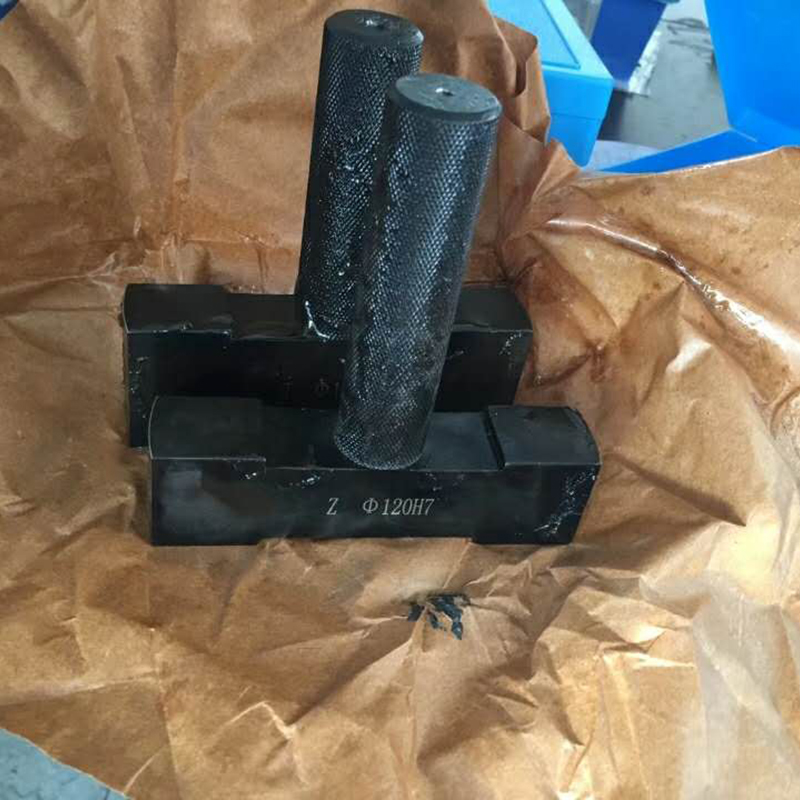
Versatile Clamps for 16mm Welding Tables to Enhance Your Metalworking Projects
Understanding 16mm Welding Table Clamps A Comprehensive Guide Welding is a fundamental process in me
Why All Metal Valves Solutions Last Longer in Harsh Environments
In industrial applications where extreme temperatures, corrosive chemicals, and high pressures are c

vedenpaineventtiili
Vesipaineventtiili Teho, Toiminta ja Käyttökohteet Vesipaineventtiili on olennainen osa monia vesijä
 English